Poor visibility of trucks at night leads to severe accidents and costly lawsuits. When drivers fail to recognize a truck’s size or position, collisions become far more likely. Orange lights on 18-wheelers exist to prevent exactly these dangers.
Orange lights on 18-wheelers act as safety markers. They reveal the truck’s width, length, and presence to surrounding drivers—especially in darkness, rain, or fog—making the vehicle easier to see and reducing the risk of crashes.
Understanding the Purpose of Orange Lights
Orange (amber) lights on large trucks—often called marker lights or clearance lights—serve as essential safety indicators. According to Federal Motor Carrier Safety Regulations (FMCSR) and DOT requirements, commercial trucks must display specific lighting patterns to outline their physical dimensions.
These lights make it easier for other road users to understand:
-
How big the truck is
-
Where the edges of the vehicle are
-
How it is moving
They become especially crucial during low-visibility conditions like:
-
Nighttime driving
-
Heavy rain
-
Fog
-
Snow
Typical Placement of Orange Lights
Orange safety lights are strategically placed to define the shape and size of the truck:
-
Top corners of the cab or trailer → Clearance lights showing the vehicle’s full width
-
Along both sides of the trailer → Side marker lights showing length
-
Front signal assemblies → Integrated with turn signals or running lights
The result is a “light outline” that allows drivers to immediately recognize the presence and scale of an approaching or passing 18-wheeler.
Why Are the Lights Orange?
Amber is the standardized, legally required color for front and side marker lighting on commercial vehicles in the U.S. Why?
-
High visibility in rain, fog, and at night
-
Easy to distinguish from red, which is reserved for rear lights
-
Attention-grabbing without being blinding
Orange creates a clear visual boundary between the truck and its surroundings, allowing drivers to quickly judge distance and avoid drifting too close.
Marker Lights vs. Clearance Lights
Although both types are orange, they serve different purposes:
Marker Lights
-
Placed along the sides of the trailer
-
Indicate length
-
Help drivers traveling beside the truck stay out of blind spots
Clearance Lights
-
Placed at the top outer corners of the trailer
-
Indicate width and height
-
Help oncoming vehicles understand how wide the truck is on narrow roads
Together, they give other drivers a more accurate picture of the truck’s size—reducing misjudgments and preventing side-swipe or merging accidents.
What Do Flashing Amber Lights Mean?
Most orange lights on trucks are steady, but flashing amber lights send a different message:
-
Hazard lights → The truck is stopped, stalled, or moving unusually slow
-
Turn signals → The driver is changing lanes or turning
-
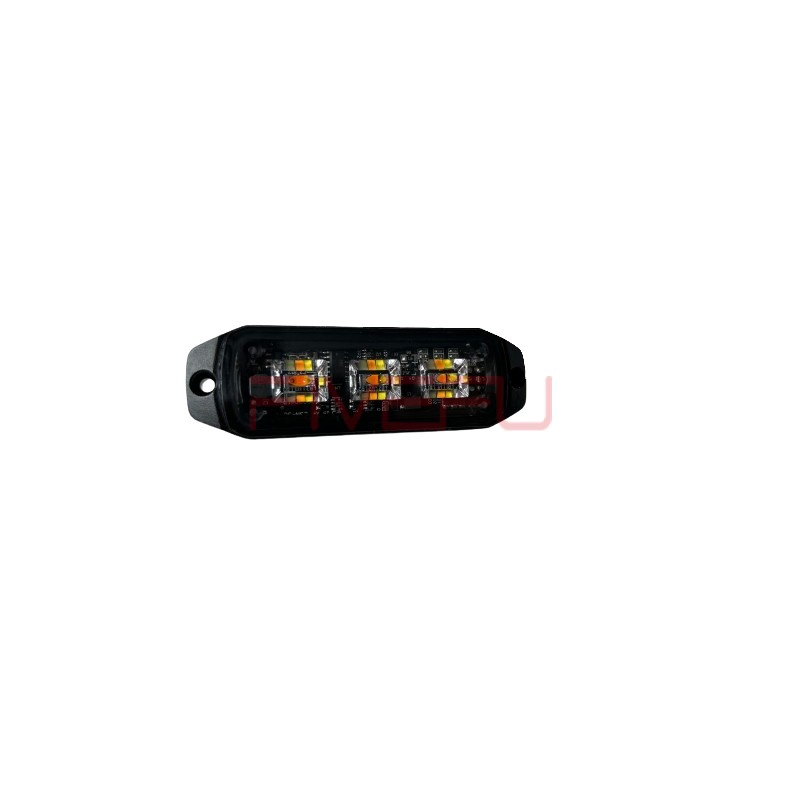
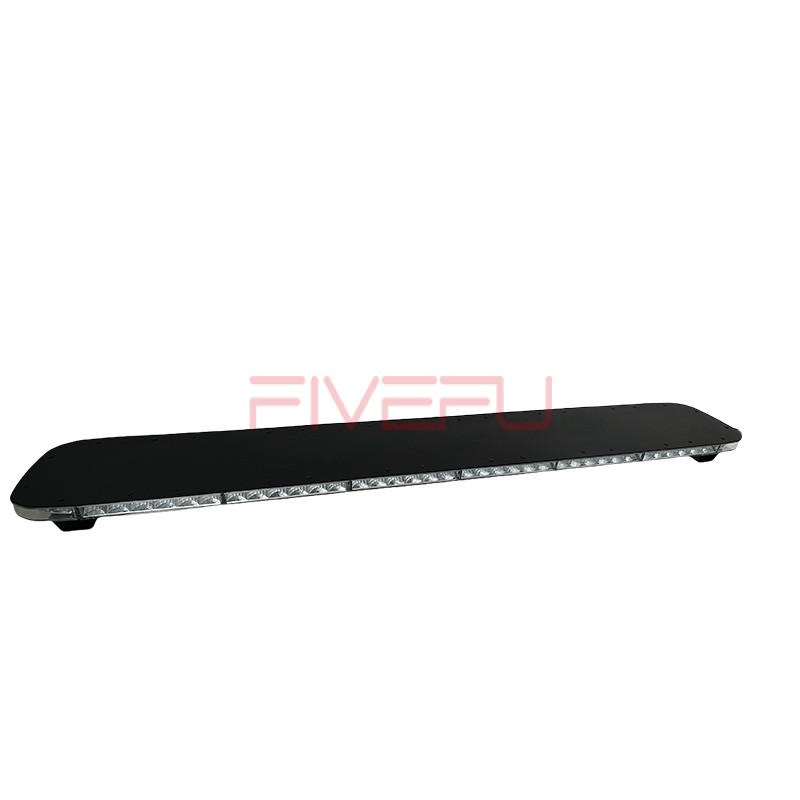
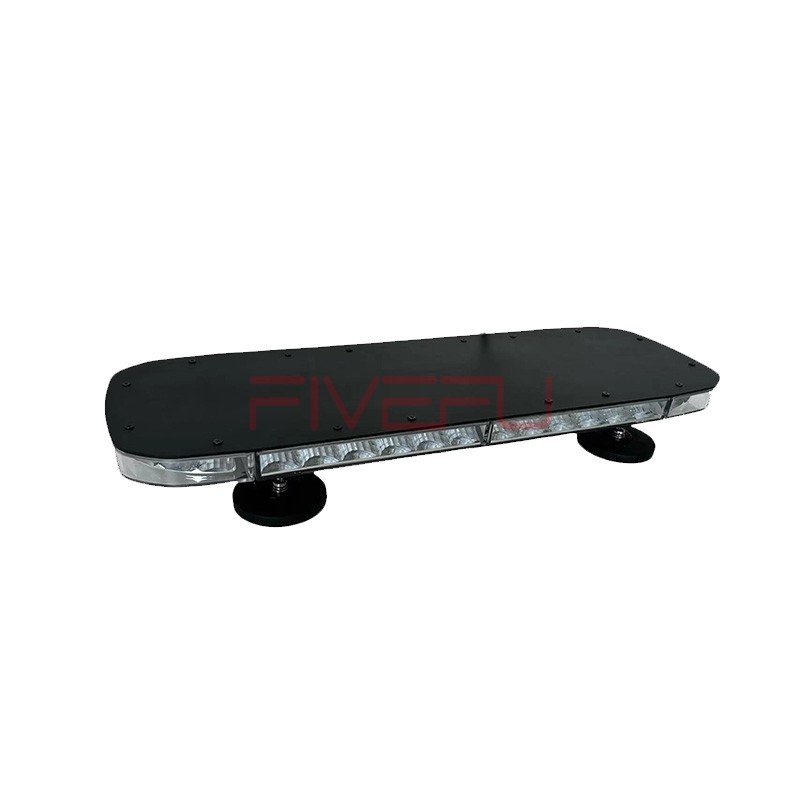
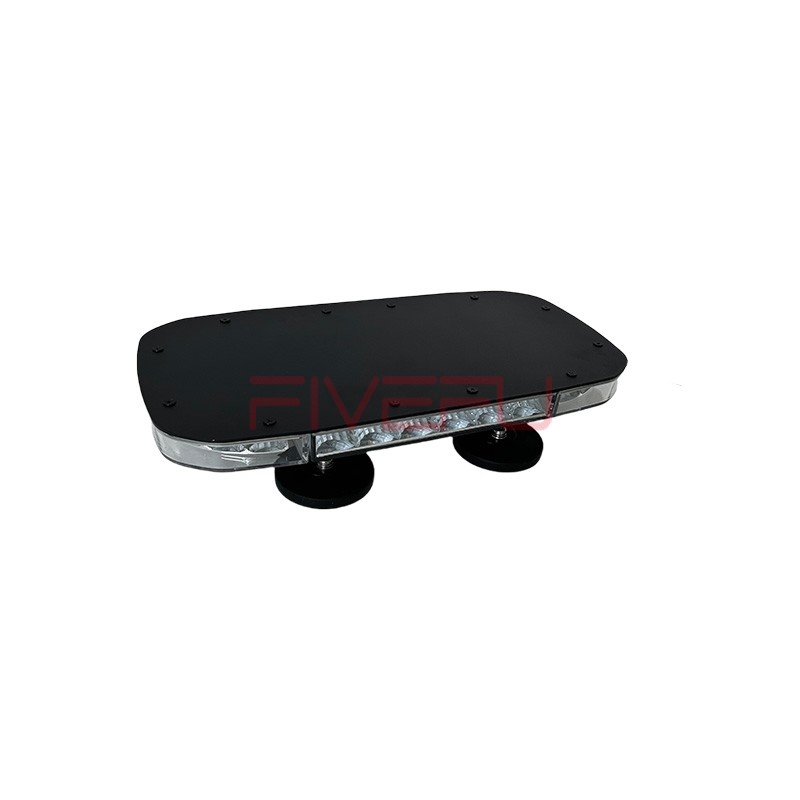
Escort/oversize load signals → Oversized trucks often use flashing amber beacons to warn surrounding traffic
If you see a flashing amber light near a truck, the rule is simple:
👉 Slow down, give space, and proceed carefully.
Maintenance and Legal Compliance
Because lighting directly impacts safety, truck drivers must include orange lights in their daily pre-trip inspections. Failure to keep lights functional can result in:
-
DOT violations
-
Costly tickets
-
Increased liability in the event of a collision
-
Possible grounding of the vehicle until repairs are made
Proper lighting is not just a legal requirement—it’s a core safety practice.
Conclusion
Orange lights on 18-wheelers aren’t just decorations—they’re lifesaving signals. They define the truck’s size, improve visibility, and help other drivers stay safe.
Understand them, respect them, and you’ll drive safer around big trucks.