Using the wrong light colors can confuse other drivers, lead to fines, or even cause accidents. Understanding legal vehicle lighting colors helps you stay compliant and keeps roads safer. In most regions, white or amber lights are allowed in front, red lights are allowed in the rear, and blue or red lights are reserved for emergency vehicles only. Let’s break it down.
Standard Legal Colors and Their Placement
White Lights
-
Where used: Headlights, daytime running lights (DRLs), license plate lights, and some front-facing auxiliary lights.
-
Purpose: Provide clear forward illumination without distracting other drivers.
Amber (Yellow) Lights
-
Where used: Turn signals, hazard lights, side markers, and clearance lights.
-
Purpose: Communicate intent (turning, hazards) and improve visibility from the sides.
Red Lights
-
Where used: Taillights, brake lights, rear reflectors, and rear side markers.
-
Purpose: Signal presence and braking to vehicles behind you.
Blue Lights
-
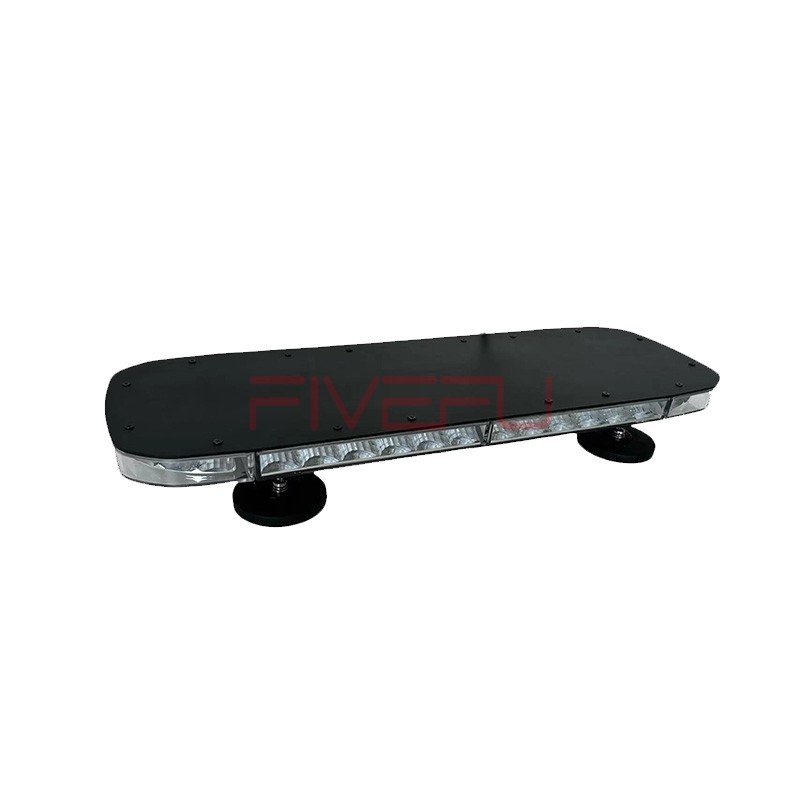
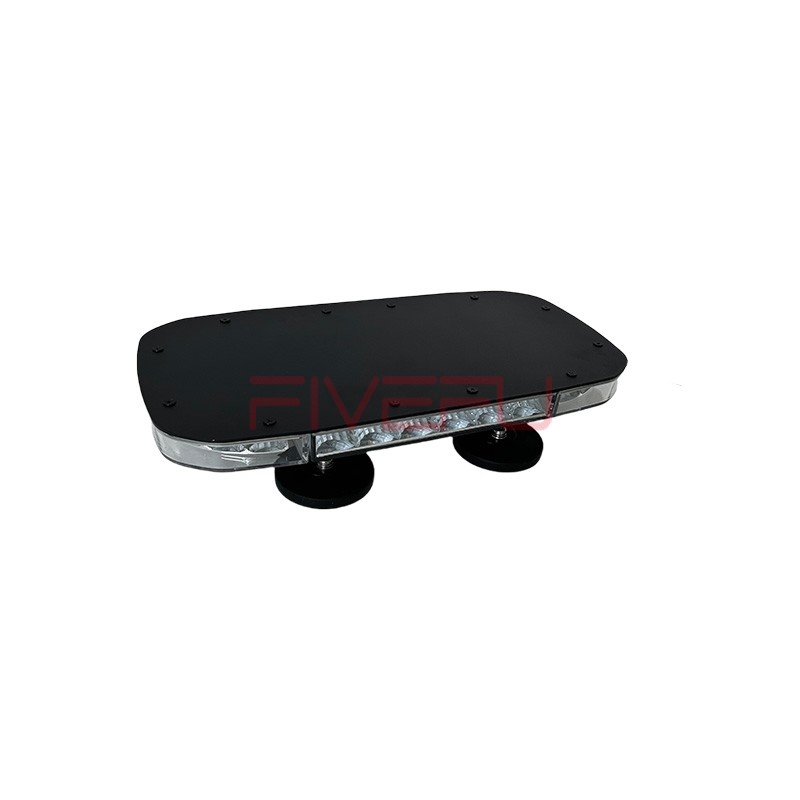
Where used: Typically restricted to law enforcement, fire, EMS, or other authorized emergency vehicles.
-
Purpose: Immediate identification of emergency response.
Prohibited Colors—and Why
Using red or blue lights on non-emergency vehicles is commonly illegal because it can:
-
Confuse other drivers
-
Impersonate law enforcement or emergency responders
-
Create unsafe driving situations
Other colors—such as green or purple—are also restricted or tightly regulated in many jurisdictions.
Special Exceptions (Check Local Laws)
Some vehicles may have limited exemptions, which vary by state or country:
-
Volunteer firefighters may use green lights in certain areas.
-
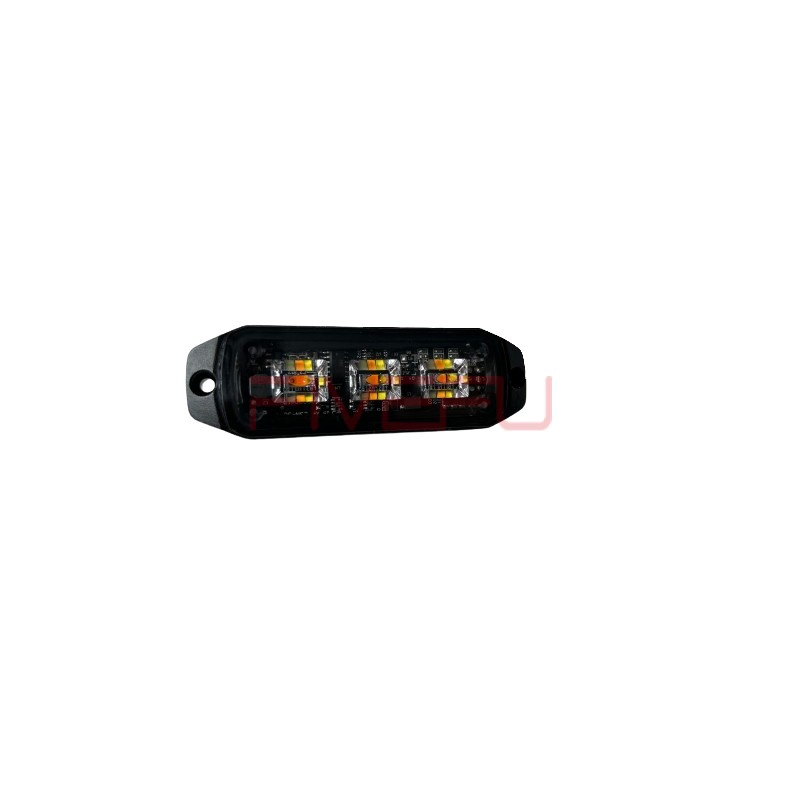
Tow trucks and utility vehicles commonly use amber lights.
-
Construction and road-work vehicles may use specific colors within work zones.
Always verify local and state regulations, as rules can differ significantly.
Consequences of Illegal Lighting
Penalties can include:
-
Fines or citations
-
Vehicle inspection failure or impoundment
-
Criminal charges in severe cases
Illegal lighting also increases crash risk by misleading other drivers.
Conclusion
For standard vehicles, white (front), amber (signals/markers), and red (rear) lights are legal. Red and blue are generally reserved for authorized emergency responders only. When in doubt, check your local vehicle code before installing or modifying lights.