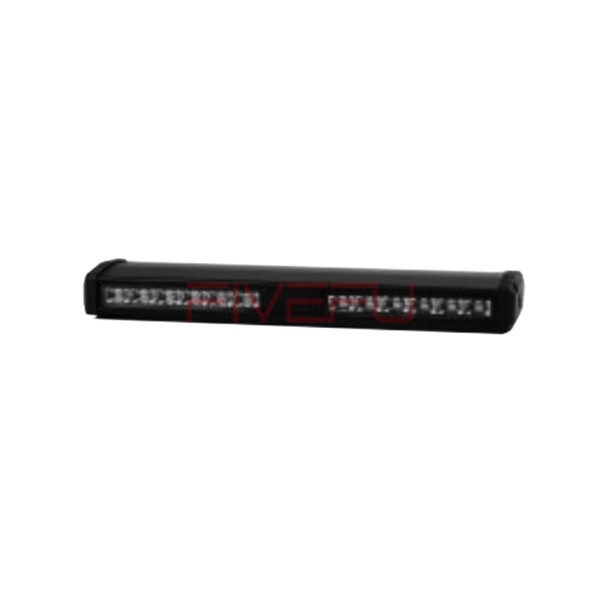
Vehicle breakdowns or accidents can leave drivers stranded in dangerous conditions, especially at night or on busy roads. Without proper warning lights, approaching vehicles may not notice the hazard in time. LED car emergency lights provide bright, instant visibility that helps prevent accidents and improve roadside safety.
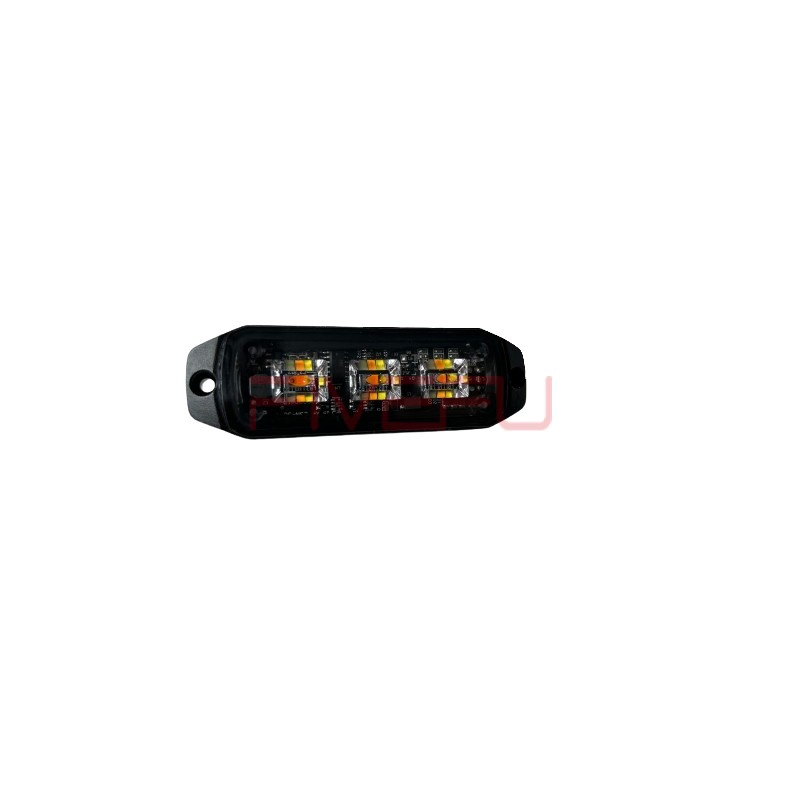
LED lights are widely used in car emergency lighting systems such as hazard warning lights, roadside flashers, and vehicle safety beacons. Their instant illumination, long lifespan, and low power consumption make them ideal for emergency situations where visibility and reliability are critical.
Let’s explore how LED technology is used in modern car emergency lighting and why it has become the preferred safety solution.
Why LEDs Are Ideal for Car Emergency Lights
LED lighting technology offers several advantages that make it particularly suitable for automotive emergency applications.
Instant Illumination
LED lights reach full brightness almost instantly. In roadside emergencies, quick visibility is essential because other drivers must notice the vehicle hazard immediately.
Unlike traditional bulbs that may take time to brighten, LED lights provide instant warning signals, reducing the risk of collisions.
High Visibility
LED emergency lights are extremely bright and can be seen from long distances. Many LED warning lights use flashing patterns to capture attention quickly.
These lights remain visible even during:
-
Heavy rain
-
Foggy conditions
-
Bright daylight
This makes them highly effective for roadside emergencies.
Energy Efficiency
LEDs consume very little power compared to traditional lighting systems. This allows emergency lights to run longer using small batteries or vehicle power sources.
Portable roadside LED lights can often operate for many hours on a single battery charge.
Durability
LED emergency lights are built to withstand vibration, weather, and temperature changes. Since vehicles operate in various environments, durability is essential.
Most automotive LED lights are designed with waterproof and shock-resistant housings, ensuring reliable operation during emergencies.
Common Types of Car Emergency Lights
LED emergency lighting for vehicles comes in several forms depending on how the lights are used.
Hazard Warning Lights
Every modern vehicle includes hazard warning lights, which activate when drivers press the hazard switch.
These lights cause both turn signals to flash simultaneously, alerting other drivers that the vehicle has stopped or is experiencing a problem.
Hazard lights are commonly used during:
-
Vehicle breakdowns
-
Traffic accidents
-
Roadside repairs
-
Emergency stops
Portable Roadside Emergency Lights
Portable LED emergency lights are often included in vehicle emergency kits.
These lights can be placed on the road behind a disabled vehicle to warn approaching drivers. Common designs include:
-
LED flashing beacons
-
Magnetic warning lights
-
LED safety triangles
These devices improve safety by increasing visibility at night or in low-visibility conditions.
Emergency Light Bars for Service Vehicles
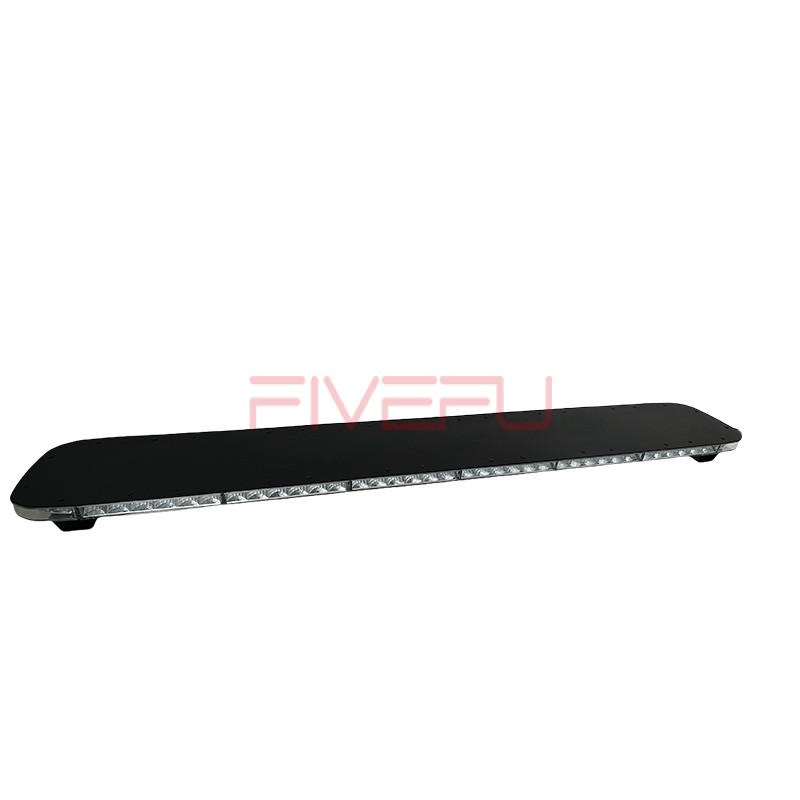
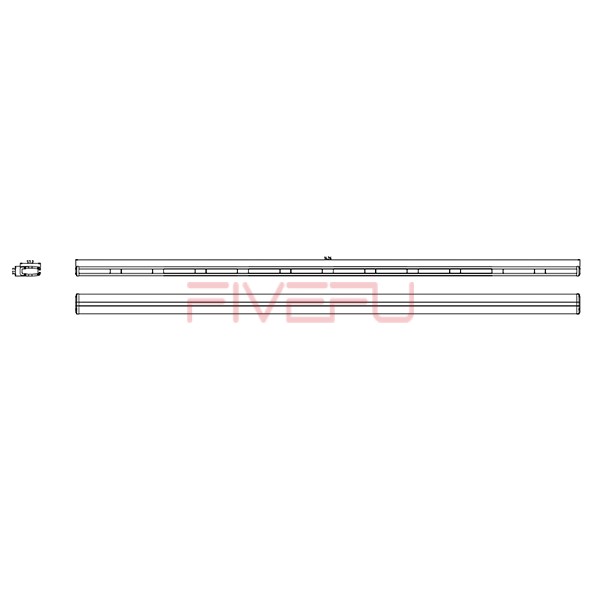
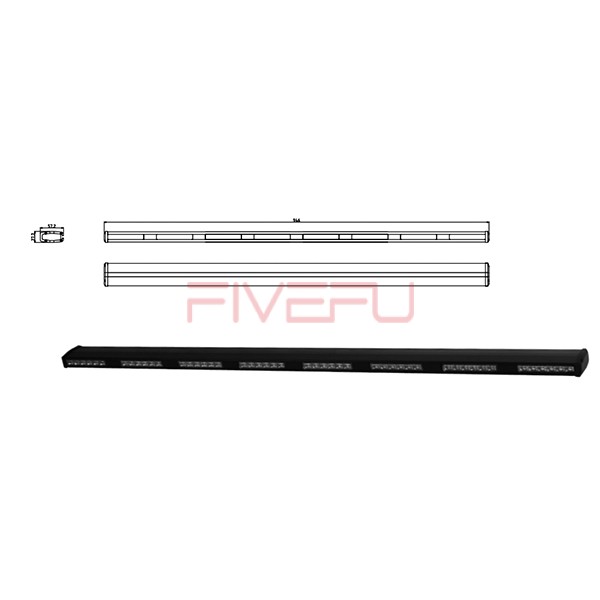
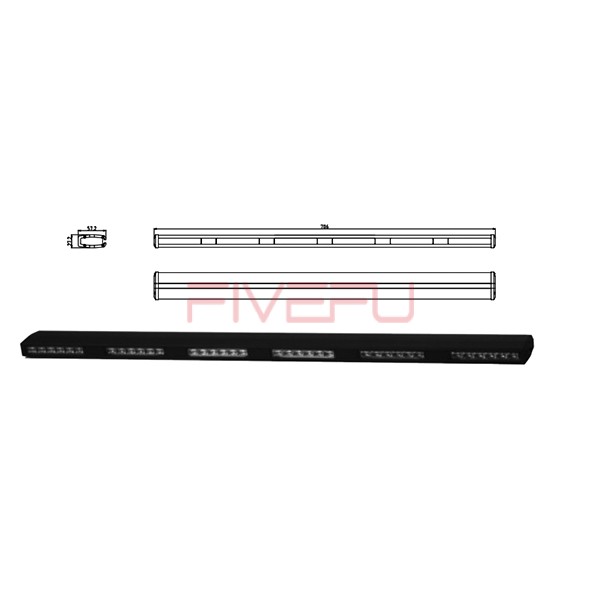
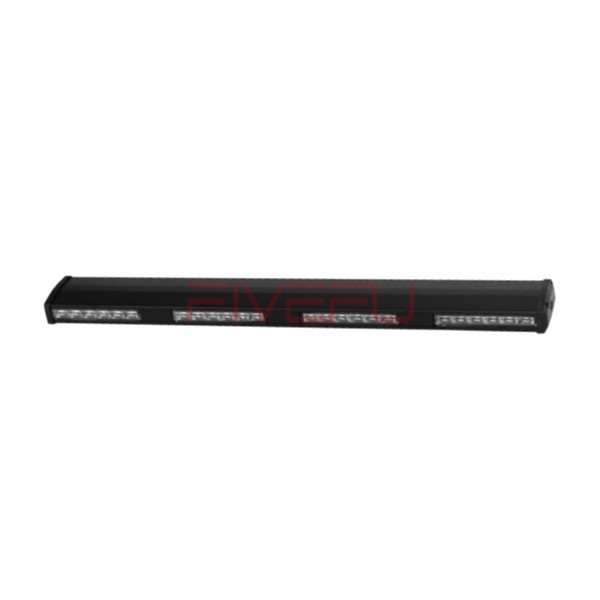
Certain vehicles such as tow trucks, roadside assistance vehicles, and maintenance trucks use LED light bars mounted on the roof.
These light bars produce flashing warning signals that alert surrounding traffic when the vehicle is working on the roadside.
Different colors are used depending on regulations and vehicle type, including:
-
Amber (most common for service vehicles)
-
Red (emergency vehicles)
-
White (additional visibility)
Magnetic LED Warning Lights
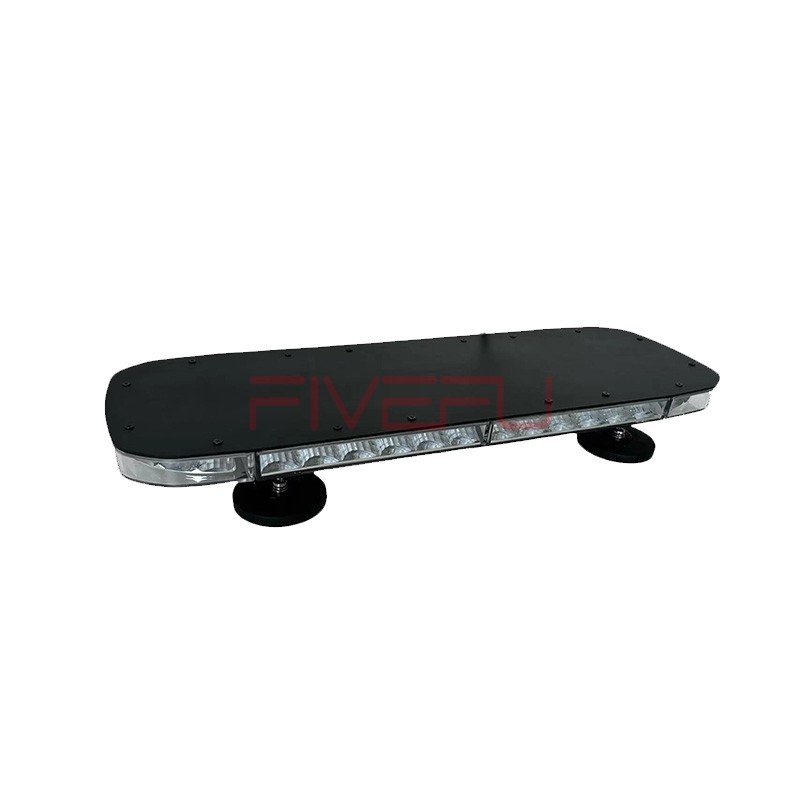
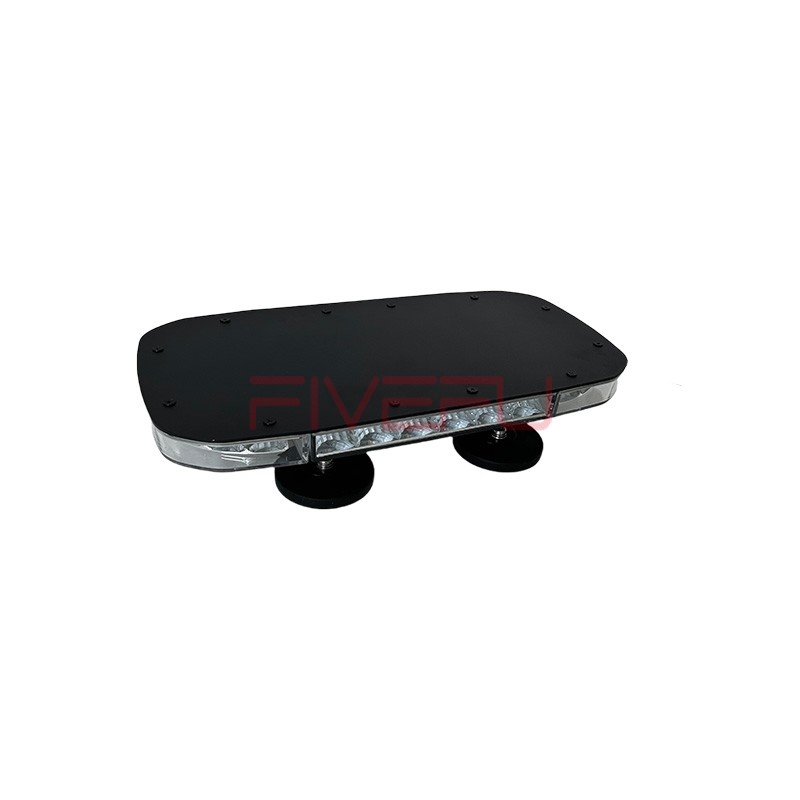
Magnetic LED emergency lights are commonly used by mechanics, tow operators, and roadside assistance teams.
These lights can be quickly attached to the roof of a vehicle to provide temporary warning signals.
Their portable design allows them to be used on multiple vehicles when needed.
Benefits of LED Emergency Lights Compared to Traditional Lights
| Feature | LED Car Emergency Lights |
|---|---|
| Turn-On Time | Instant |
| Visibility | Very high |
| Energy Consumption | Low |
| Lifespan | Long |
| Maintenance | Minimal |
| Durability | Excellent |
Because of these advantages, LED lighting has largely replaced older halogen or incandescent warning lights in automotive safety equipment.
Best Practices for Using Car Emergency Lights
To maximize safety during roadside emergencies, drivers should follow several important guidelines.
-
Turn on hazard lights immediately when stopping due to an emergency.
-
Place portable LED warning lights behind the vehicle to alert approaching drivers.
-
Keep emergency lighting devices in your vehicle emergency kit.
-
Ensure portable lights are charged or have fresh batteries.
-
Position warning lights far enough from the vehicle to give other drivers time to react.
Proper use of emergency lights significantly reduces the risk of secondary accidents.
Summary
LED car emergency lights provide bright, reliable warning signals that improve visibility and safety during roadside emergencies and vehicle breakdowns.