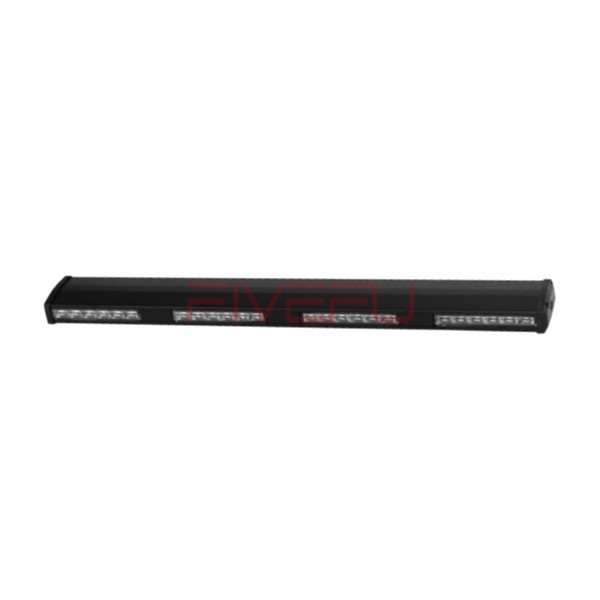
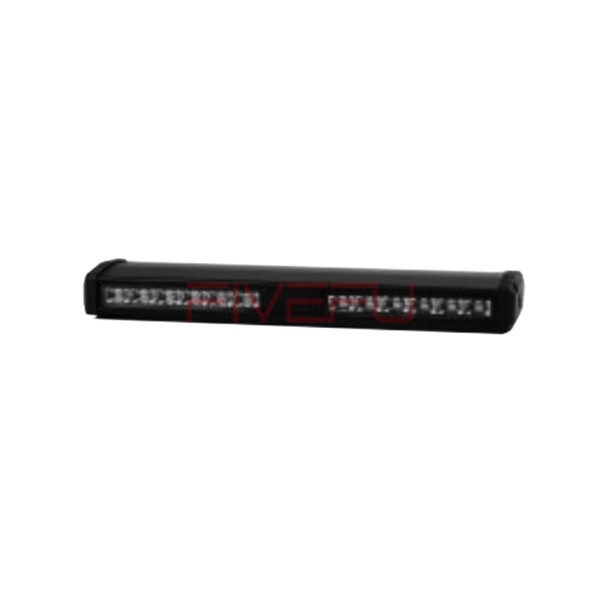
Emergency responders must be visible immediately in traffic. Without effective warning lights, drivers may not react quickly, causing delays or accidents. Modern LED strobe lighting ensures fast visibility and safer emergency response.
Most fire trucks are equipped with strobe lights or LED flashing lights designed to alert traffic and pedestrians. However, the exact lighting configuration can vary depending on the fire department, vehicle type, regional safety regulations, and the specific operational needs of the emergency vehicle.
Let’s explore how fire truck lighting systems work and why different departments may use slightly different setups.
The Role of Strobe Lights on Fire Trucks
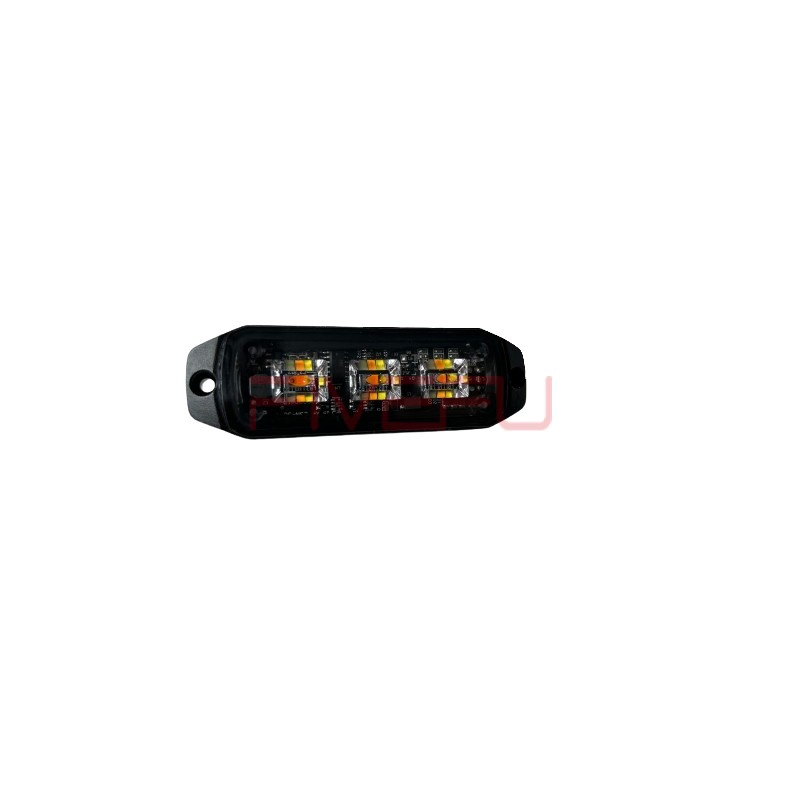
Strobe lights are one of the most recognizable features of emergency vehicles. Their main purpose is to immediately capture attention and signal urgency so that other drivers can react quickly.
These lights typically flash rapidly in high-intensity bursts. The sudden flashes create strong contrast against the surrounding environment, making the vehicle highly visible even during daylight.
Fire trucks usually use red strobe lights, which are widely recognized as emergency signals. In some cases, departments also use white or amber strobes to improve visibility in certain situations such as intersections, construction zones, or low-visibility weather conditions.
The flashing pattern is carefully designed to stand out from regular vehicle lighting. Because emergency vehicles must move quickly through traffic, these powerful visual signals help reduce response time and improve overall road safety.
Advantages of LED Strobe Lights Compared to Xenon Lights
In the past, many emergency vehicles used xenon strobe systems. Today, most fire departments have transitioned to LED strobe lighting because it offers significant performance advantages.
Higher Reliability
LED lights are extremely durable and rarely burn out compared to traditional xenon bulbs. Fire trucks operate in demanding environments, and reliable lighting systems are essential for continuous emergency operations.
Lower Power Consumption
LED strobes require less electrical power. This is important because emergency vehicles operate multiple systems simultaneously, including radios, sirens, pumps, and onboard computers.
Lower energy consumption helps protect the vehicle’s electrical system and ensures lights remain operational even during extended incidents.
Programmable Flash Patterns
Modern LED lighting systems allow multiple flash patterns to be programmed through control modules. Common patterns include:
-
Quad flash
-
Alternating strobes
-
Wig-wag flashing
-
Sequential patterns
These patterns help improve visibility and ensure emergency vehicles stand out from surrounding traffic.
Compact and Flexible Installation
LED modules are small and modular, allowing them to be mounted in many locations on the vehicle. This flexibility helps departments design lighting layouts that maximize visibility from every direction.
Standard Emergency Lighting Configurations
Although lighting systems vary by department, most fire trucks follow similar design principles to ensure visibility from all sides.
Primary Warning Lights
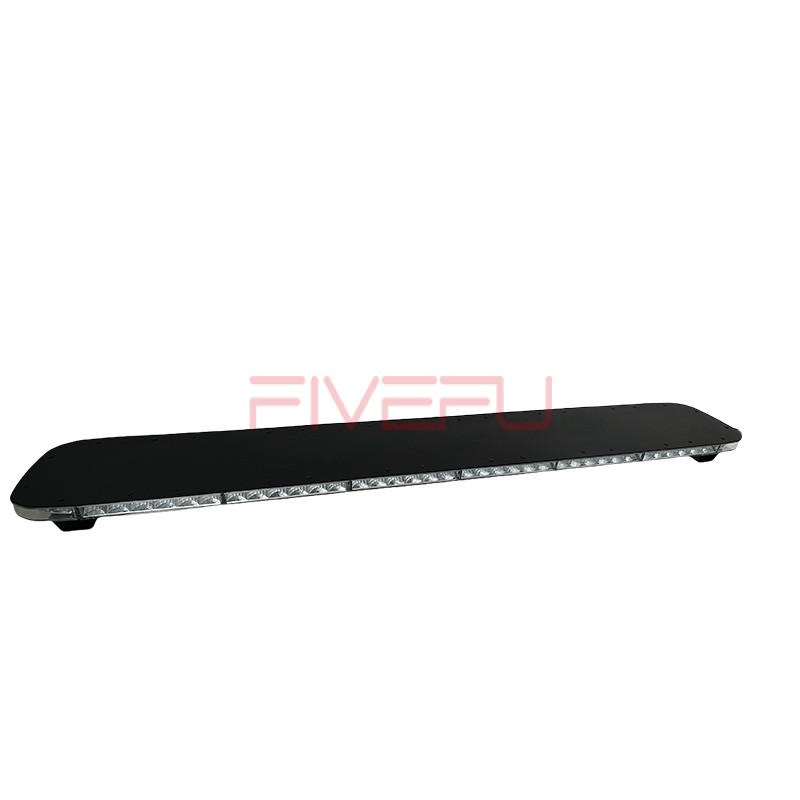
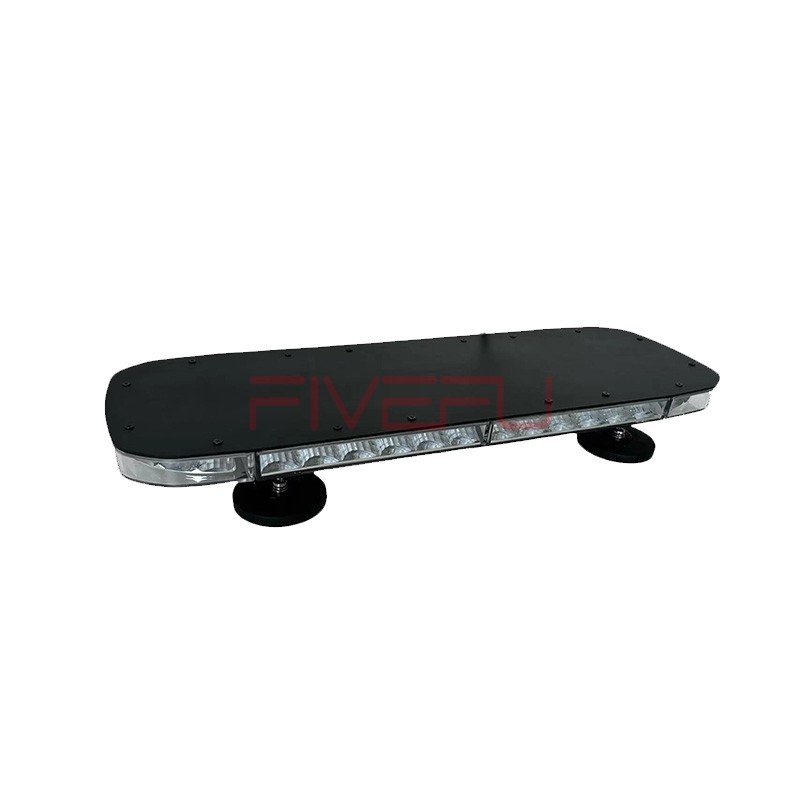
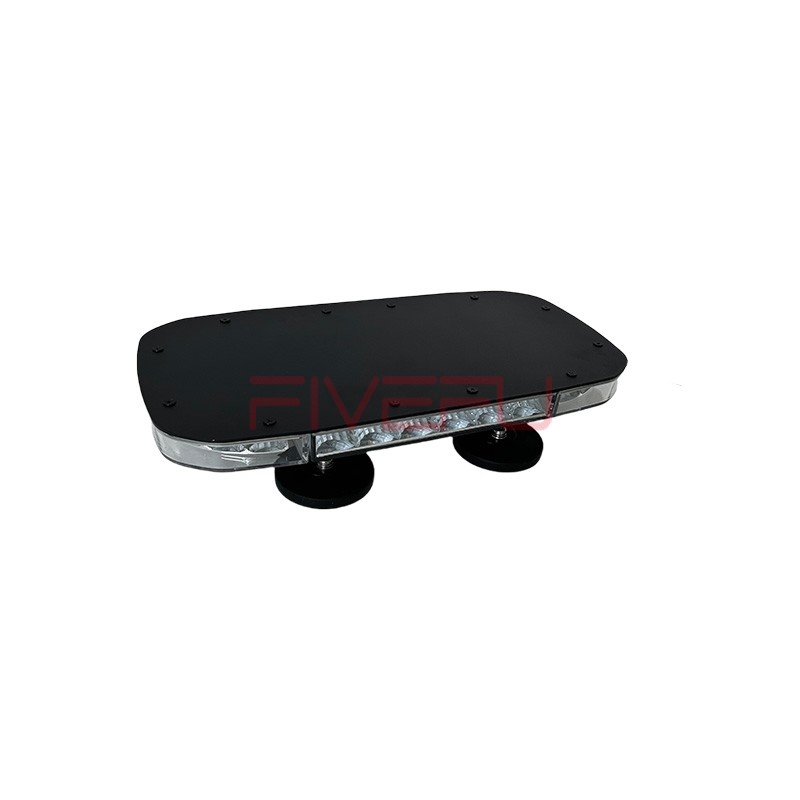
Primary warning lights are the most noticeable emergency lights on a fire truck. These are typically installed on:
-
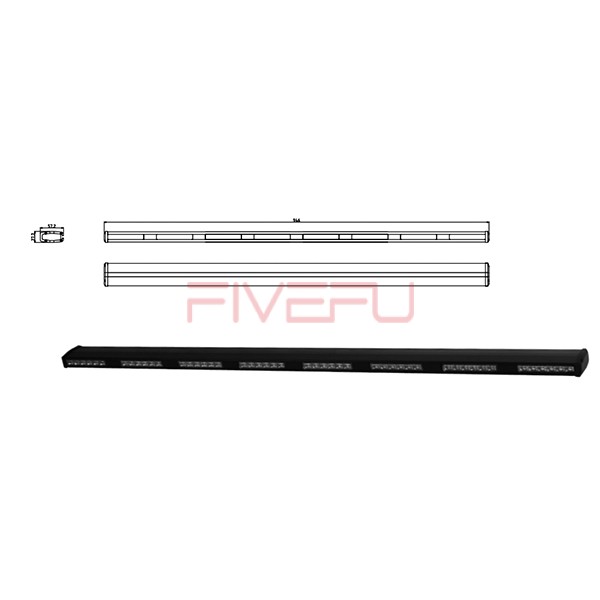
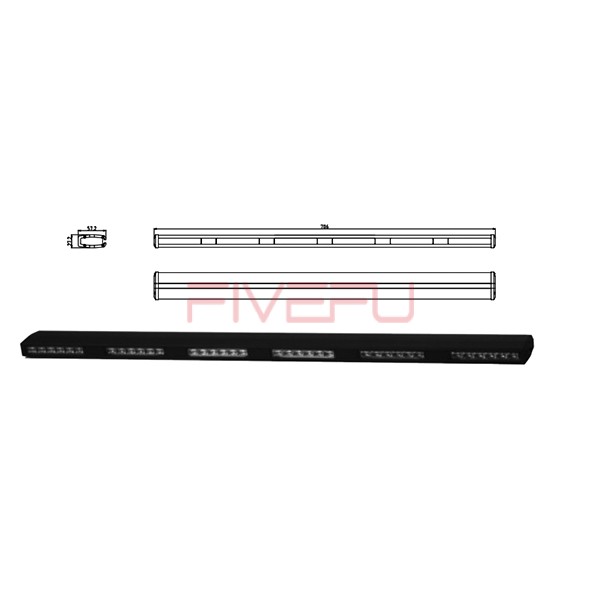
Roof-mounted light bars
-
Front grille or bumper
-
Vehicle sides
-
Rear of the truck
These lights flash continuously while the vehicle is responding to an emergency call. The goal is to ensure drivers approaching from any direction can quickly identify the vehicle as an emergency responder.
Intersection and Street Lighting
Some fire trucks include additional lighting designed specifically for intersections. These lights may face sideways or at angles to illuminate cross streets where vehicles may not immediately see the approaching truck.
Intersection lighting improves safety when fire trucks pass through busy urban areas or high-traffic intersections.
Auxiliary Lighting
In addition to flashing strobes, fire trucks often carry several types of auxiliary lighting for incident scenes.
Examples include:
-
Scene lights: steady LED lights used to illuminate work areas during firefighting or rescue operations
-
Floodlights: powerful lights used to illuminate large areas at night
-
Portable strobes: handheld warning lights used around accident scenes
These lighting systems allow firefighters to work safely even in dark or hazardous conditions.
How the Public Should Respond to Fire Truck Lights
When drivers encounter a fire truck with flashing lights, they should follow several important safety guidelines.
-
Pull over safely to the right side of the road whenever possible.
-
Do not stop inside intersections, as this can block emergency access routes.
-
Avoid following emergency vehicles closely, even if traffic appears clear.
-
Do not attempt to overtake a fire truck unless directed by emergency personnel.
Flashing lights and sirens indicate that the vehicle has the legal right-of-way and must reach its destination as quickly as possible.
Maintenance and Upkeep of Fire Truck Lighting Systems
Emergency lighting systems require regular inspection to ensure they function correctly during emergencies.
Fire trucks experience significant vibration, weather exposure, and temperature changes, which can affect lighting components over time.
Routine maintenance typically includes:
-
Cleaning light lenses to remove dirt and debris
-
Replacing failed LED modules immediately
-
Checking control systems for proper flash pattern operation
-
Testing backup power systems in case of electrical failure
Proper maintenance ensures that emergency lights remain bright, visible, and reliable in critical situations.
Summary
Most fire trucks use LED strobe lights for visibility and safety, though configurations vary depending on vehicle design, department needs, and local regulations.