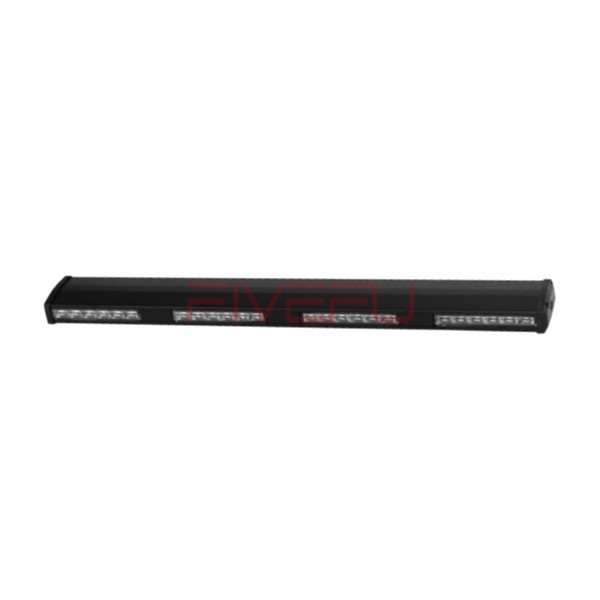
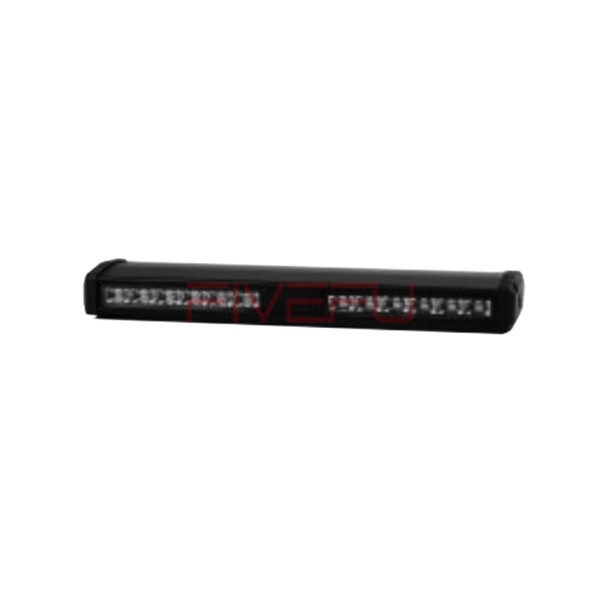
When vehicle lighting is unclear, driver confusion and slower emergency response can result. Inconsistent signaling may lead to accidents or blocked routes. Clearly defined emergency lighting helps ensure right-of-way.
Emergency vehicles transition from standard lighting to defined warning patterns—blue or red flashers, sirens, and synchronized strobes—to alert traffic and clear paths during urgent response.
Curious how lighting differs from normal use to emergency mode? Read on for technical detail and standards.
Standard vs. Emergency Lighting Systems
Normal Driving Configuration
- Headlights and taillights function normally, providing illumination without attracting undue attention.
- No flashing lights are visible to avoid alarming other drivers.
- The vehicle appears and operates like any civilian car.
Emergency Mode Configuration
Once activated, the vehicle’s control unit engages:
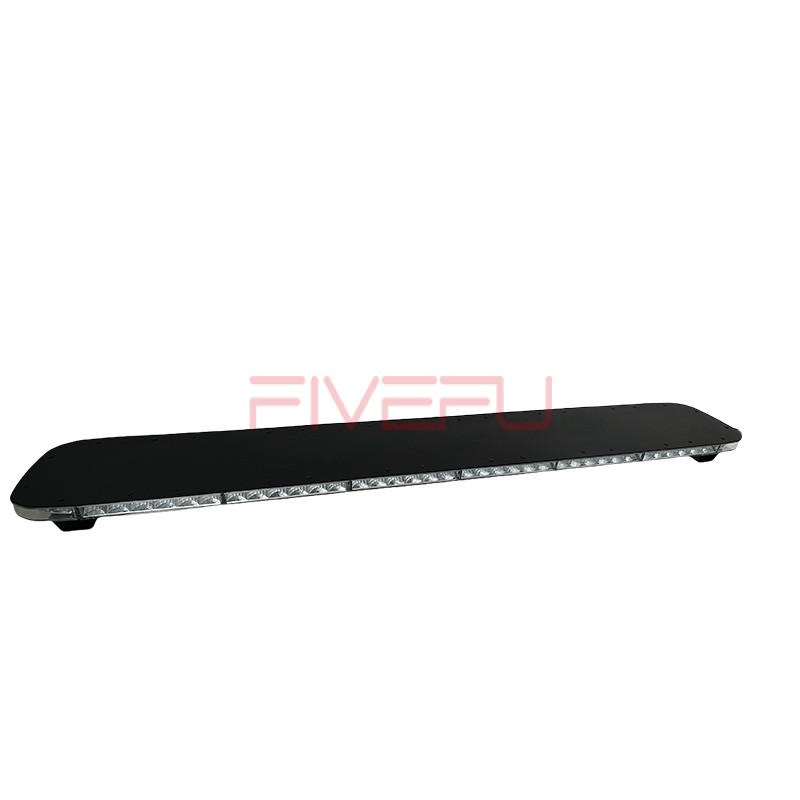
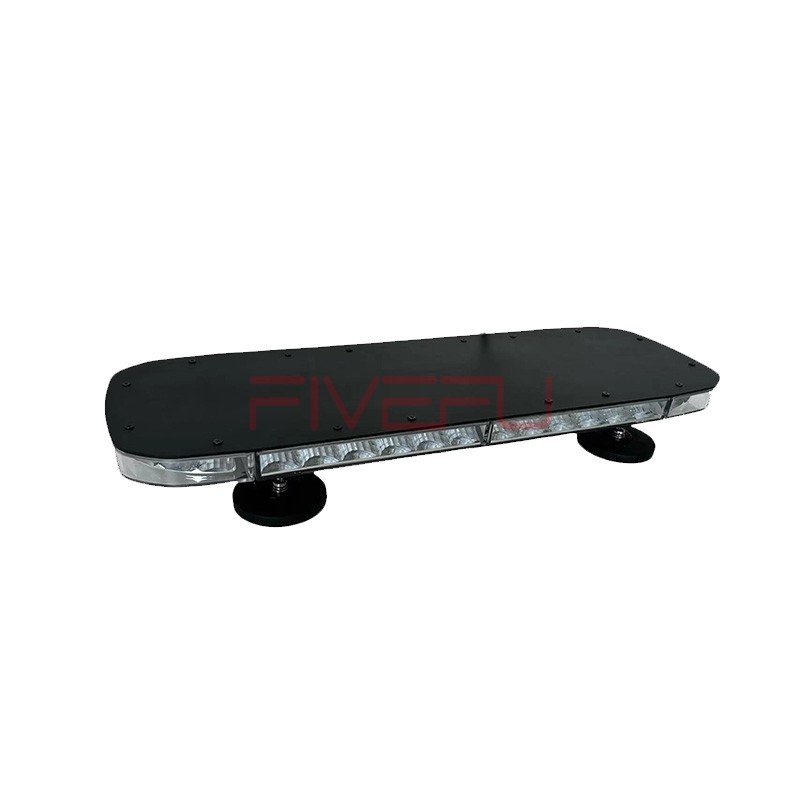
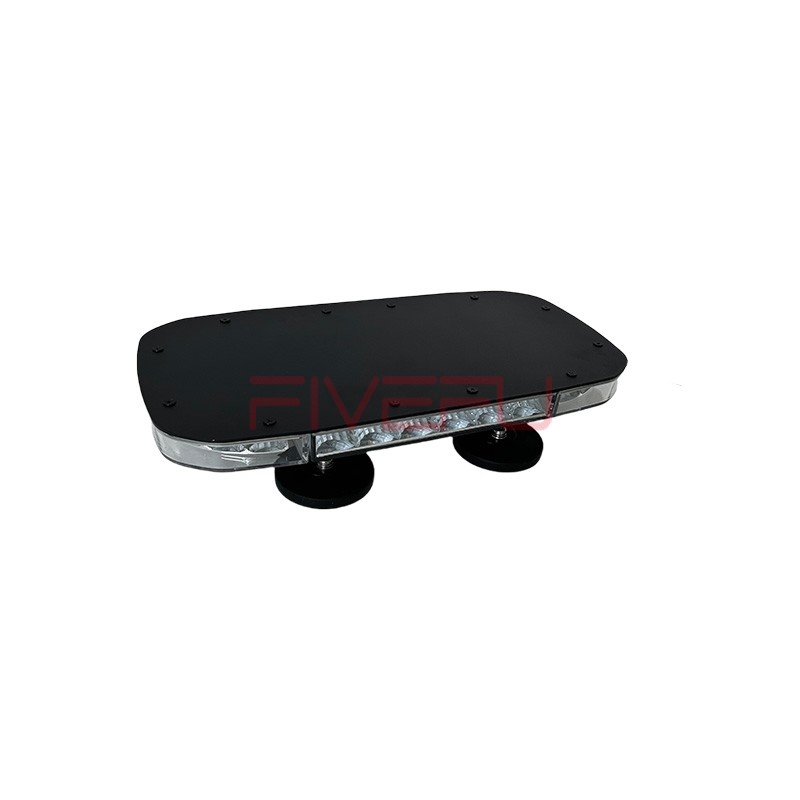
- Light bars and deck lights begin flashing or rotating at high intensity.
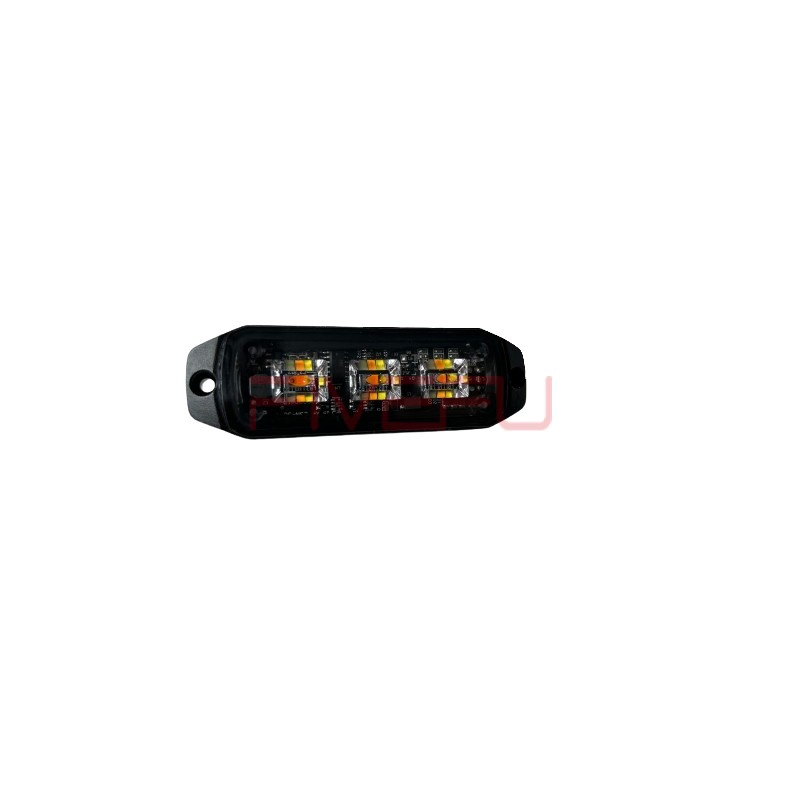
- Side-facing warning lights activate to alert traffic at intersections.
- Street sweepers or alley lights may illuminate the operational area when parked.
- Siren lights flash in sync with audible alerts for maximum effect.
Flash patterns include Quad Flash, Wig-Wag, or alternating turn signal mimic, depending on jurisdiction and agency standards.
Technical & Regulatory Aspects
Control Electronics
Modern emergency vehicles use multiplex lighting control modules. These units:
- Detect when emergency mode is triggered.
- Enable specific flash patterns and intensities.
- Monitor bulb/system failures to ensure all circuits work properly.
Legal Standards
Agencies follow regulations like NFPA 1901, SAE J595, and FMVSS 108 which define:
- Color usage by direction (red in front/rear, blue side/front, amber for side or special vehicles)
- Minimum intensity (candela values)
- Flash rate (usually 60–120 flashes per minute)
Flash Patterns
Different flash modes serve distinct functions:
- Quad flash: four rapid pulses from each side.
- Wig-wag: alternating flashing of left/right headlights.
- Daily drive mode: initial light activation when unlocking vehicle, before emergency mode.
Summary:
Emergency lights switch from standard illumination to high‑intensity flashers, legal patterns, and synced sirens—clearly signaling urgency.