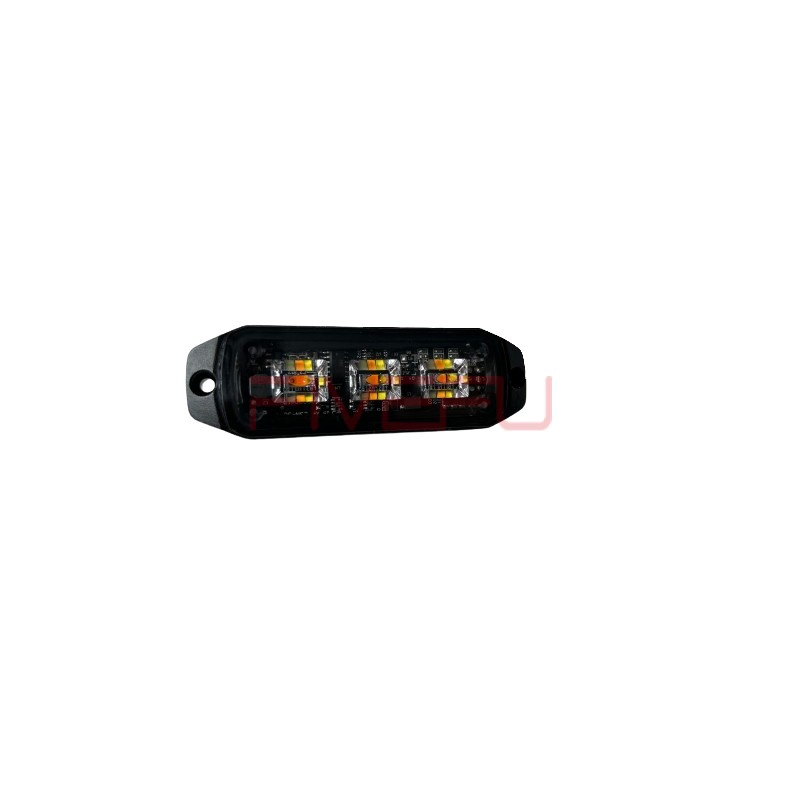
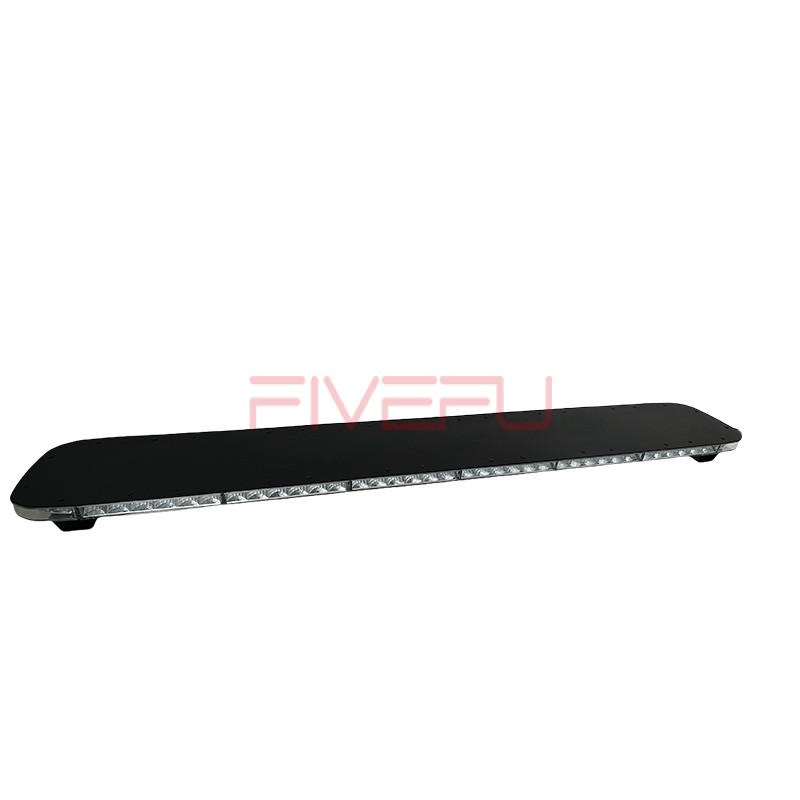
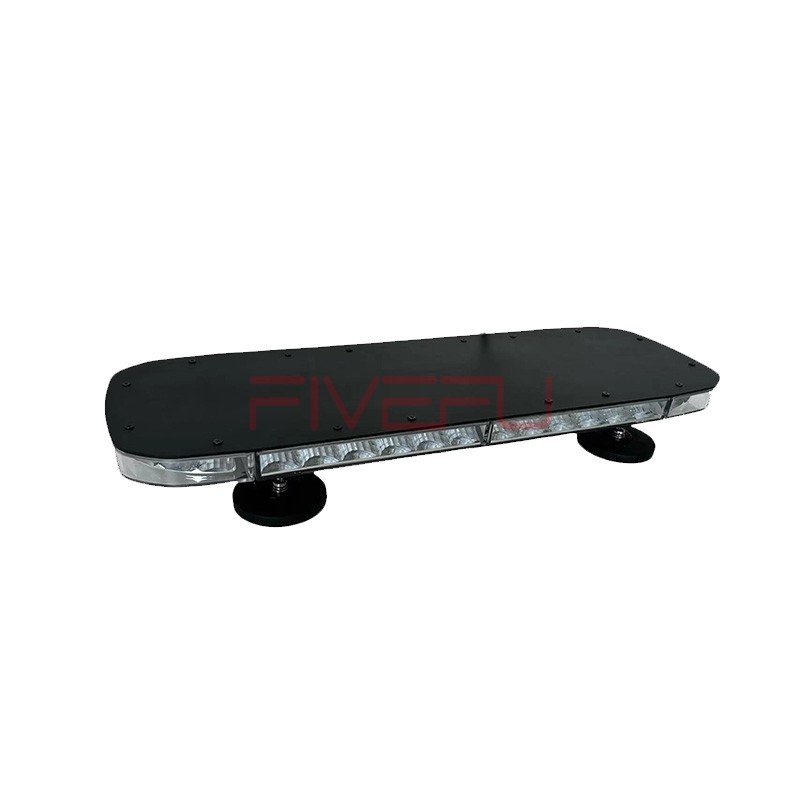
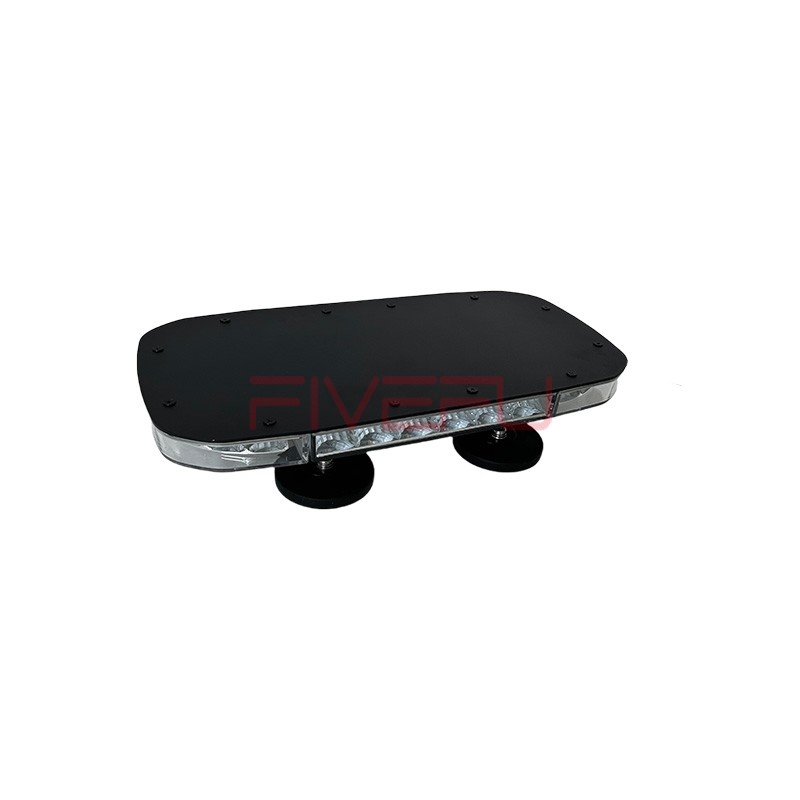
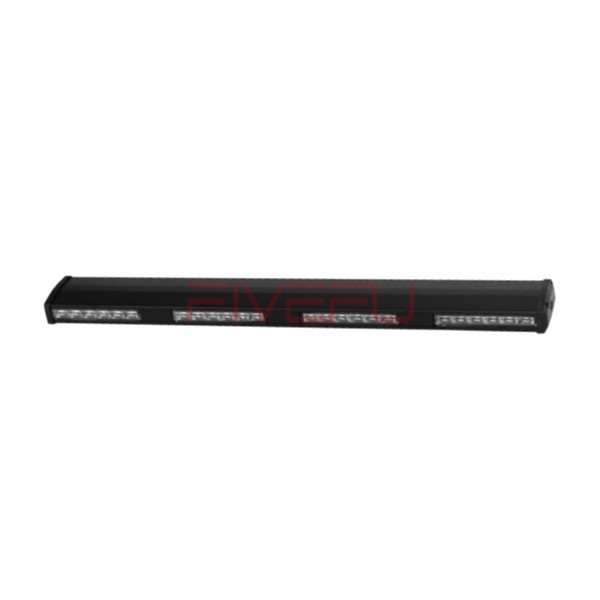
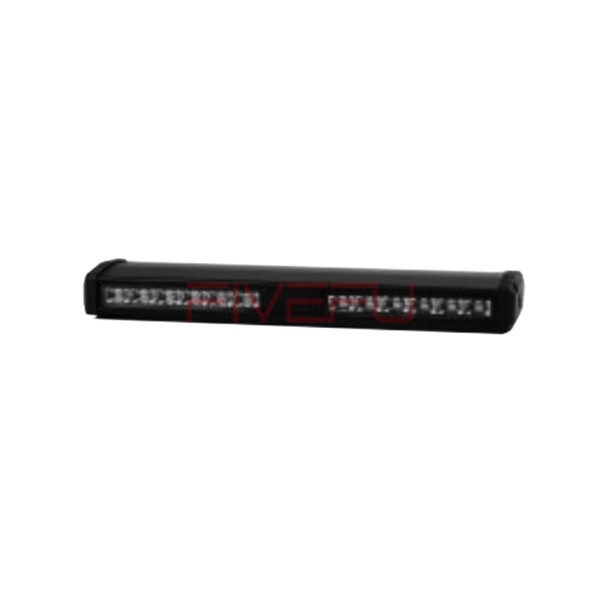
Yellow (amber) flashing lights can confuse drivers when their meaning is misunderstood. Misuse or misinterpretation may lead to traffic delays, unsafe maneuvers, or even accidents. Understanding which vehicles use yellow flashing lights—and why—helps improve road safety for everyone.
Yellow flashing lights are typically used by utility, maintenance, tow, and construction vehicles to warn drivers of slow-moving or stopped operations ahead. Their purpose is visibility and caution, not emergency response.
Read on to learn what these lights mean and how drivers should respond.
The Meaning of Yellow (Amber) Flashing Lights
Yellow or amber flashing lights are universally recognized as warning or caution signals. Unlike red or blue lights—reserved for emergency and law-enforcement vehicles—yellow lights indicate potential hazards such as roadside work, slow-moving vehicles, or temporary obstructions.
When you see yellow flashing lights, it means:
-
There may be workers nearby
-
Traffic speed may be reduced
-
Road conditions may change suddenly
Drivers are expected to proceed carefully, not panic or ignore the signal.
Vehicles That Use Yellow Flashing Lights
● Utility Vehicles
Utility trucks servicing power lines, telecommunications, water systems, or gas pipelines commonly use yellow flashing lights. These lights warn motorists of roadside crews, bucket lifts, or partially blocked lanes.
● Tow Trucks and Recovery Vehicles
Tow trucks use amber strobes or rotating beacons when:
-
Assisting disabled vehicles
-
Loading or unloading cars
-
Parked on highway shoulders
The lights alert approaching drivers to slow down and change lanes if possible.
● Road Maintenance and Construction Vehicles
Vehicles such as:
-
Paving machines
-
Street sweepers
-
Snowplows
-
Line-painting trucks
use yellow flashing lights to indicate active work zones, reduced speeds, and unexpected stops.
● Slow-Moving Vehicles
Farm machinery, construction equipment, and oversized trucks often display yellow flashing lights when traveling on public roads. These lights improve visibility—especially in high-speed areas—where the vehicle cannot match normal traffic flow.
● Escort Vehicles for Oversized Loads
Pilot or escort vehicles guiding wide or oversized loads use yellow flashing lights to warn drivers of unusual traffic conditions, lane restrictions, or large obstructions ahead.
Legal Regulations for Yellow Flashing Lights
The use of yellow flashing lights is regulated by state, provincial, or national traffic laws, which typically specify:
-
When the lights may be activated (usually during active work only)
-
Permitted brightness and flash patterns
-
Required mounting height and visibility angles
Improper use—such as activating yellow lights without a valid reason—may result in fines or operating restrictions.
How Drivers Should React
When you see yellow flashing lights:
-
Slow down and stay alert
-
Increase following distance
-
Change lanes safely if possible
-
Be prepared for sudden stops or lane changes
Yellow lights mean caution, not urgency—never speed up or ignore them.
Differences Between Vehicle Light Colors
-
Red flashing lights: Emergency vehicles (fire trucks, ambulances)
-
Blue flashing lights: Law enforcement (in many regions)
-
Yellow/amber flashing lights: Warning and hazard indication
-
White flashing lights: Auxiliary or visibility lighting (not a caution signal)
Conclusion
Yellow flashing lights on vehicles signal caution and potential hazards ahead, often due to slow-moving or stopped service operations. Recognizing their meaning helps drivers react appropriately, reducing accidents and improving road safety for everyone.